01 / Al-Mawasi, Rafah
Fields became shelter.
Along the coast, open land is now crowded with tents and makeshift accommodation. Families displaced from elsewhere in Gaza have sought shelter here, close to the sea.
Homes, families and the places where life was lived. These accounts and images retain their original dates.
Visual collections: October 2023, July 2026 and October 2026. These dates are separate from the 2023–2025 decision archive.
Along the coast, open land is now crowded with tents and makeshift accommodation. Families displaced from elsewhere in Gaza have sought shelter here, close to the sea.
The earlier image shows streets lined with buildings. In the later view, much of that neighbourhood has become bare ground and rubble. The comparison reveals the scale of what has been lost.
The mosque and the buildings around it are visible in the earlier image. The later view shows destruction across the same site. Places where people gathered have disappeared along with homes and streets.
Source: the Guardian’s satellite imagery report, Jason Burke and Eithne Staunton, 1 October 2026. Satellite imagery: Google.
Behind each shelter is someone trying to care for a family or rebuild a home.
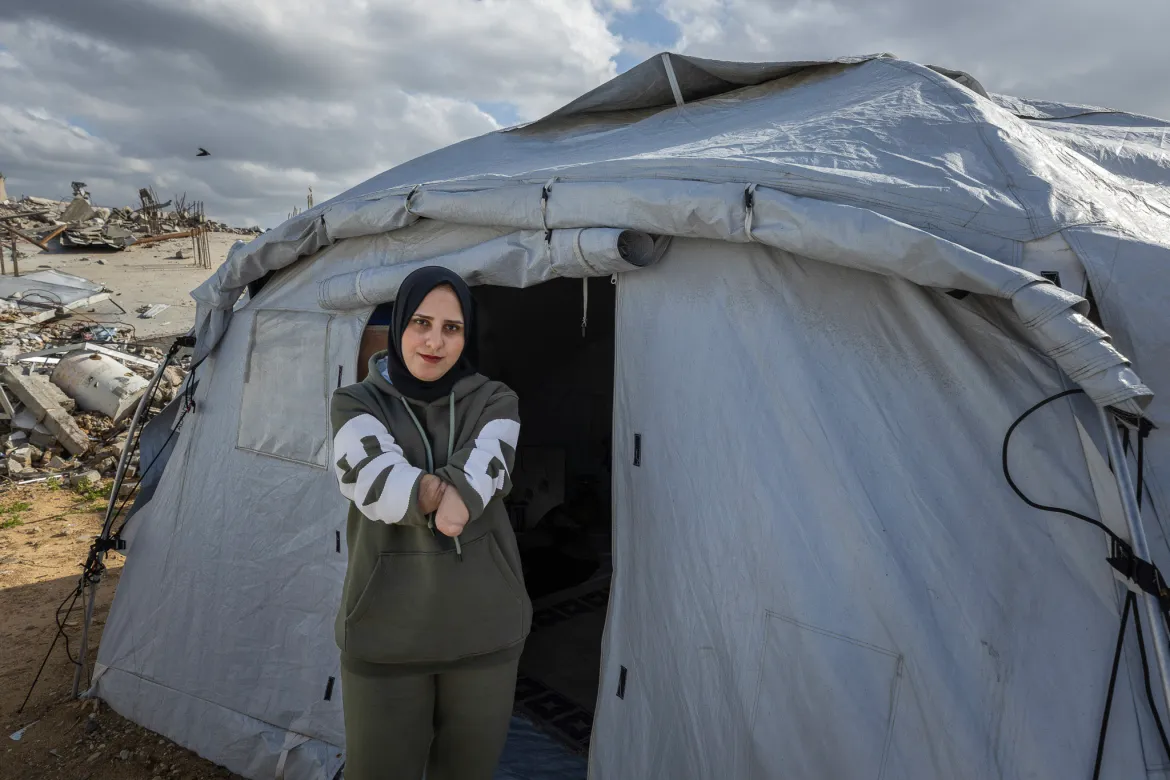
Nibal lives in a tent at a displacement site in eastern Gaza. She lost both arms after a shell strike.
Feeding herself, getting dressed and caring for her daughter have become daily challenges. Her story shows what losing a home means when even everyday tasks already require help.
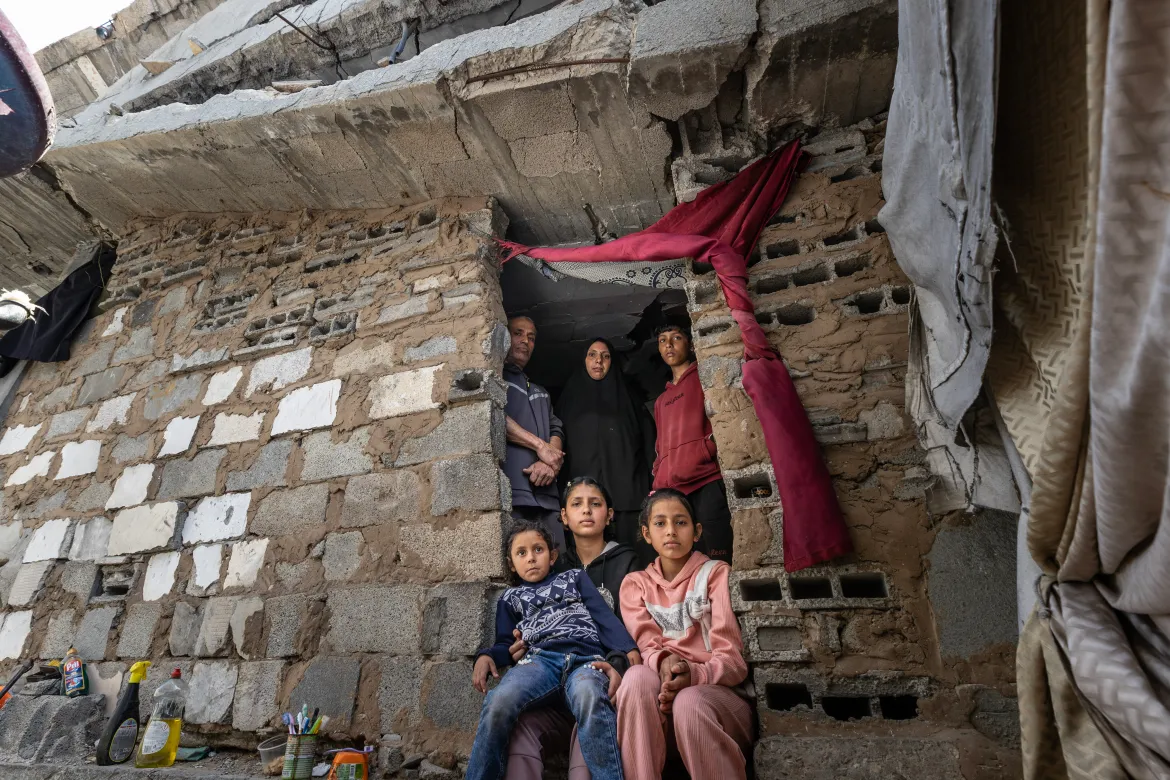
After repeatedly fleeing bombardment, Salah and his family returned to their damaged home in Maghazi.
For two months, he cleared rubble and repaired what he could. He made clay bricks by hand to rebuild part of the house, trying to recover a home from what remained.
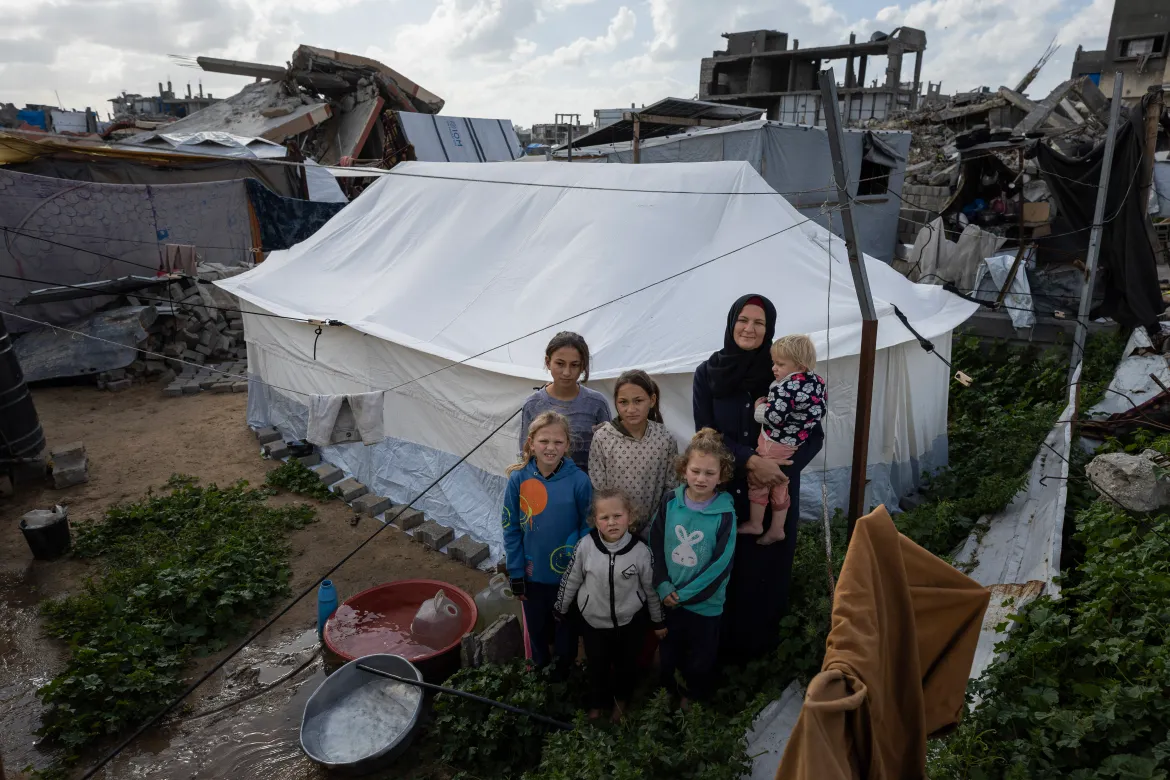
Amina lost her husband at the beginning of the war. She now cares for their six children alone.
The family lives in a cloth tent with little protection from heat or cold. For Amina, finding shelter and providing for her children are part of the same daily struggle.
Accounts and photographs published by Al Jazeera on 23 July 2026. Photography: Mahmoud Abu Hamda / IOM. These accounts describe the families’ circumstances at the time of publication.
Families shelter in tents, damaged schools and the remains of mosques. These portraits show where people have made a place to live after losing their homes.
Published by Al Jazeera on 23 July 2026. Photography: Mahmoud Abu Hamda / IOM.
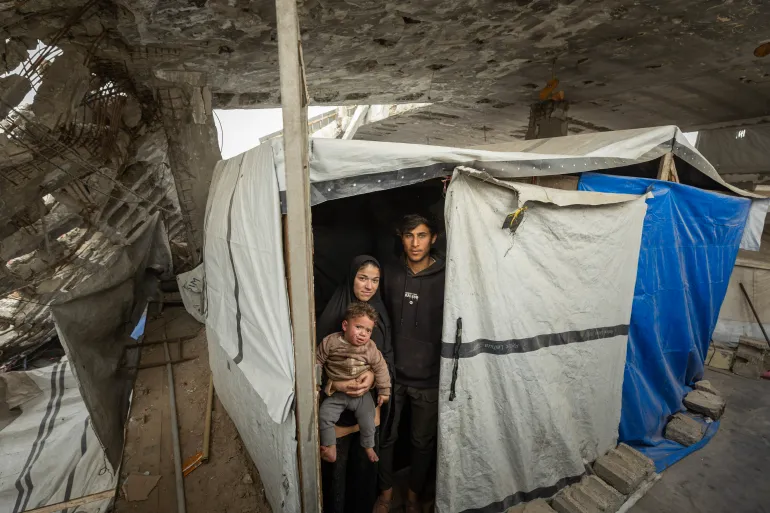
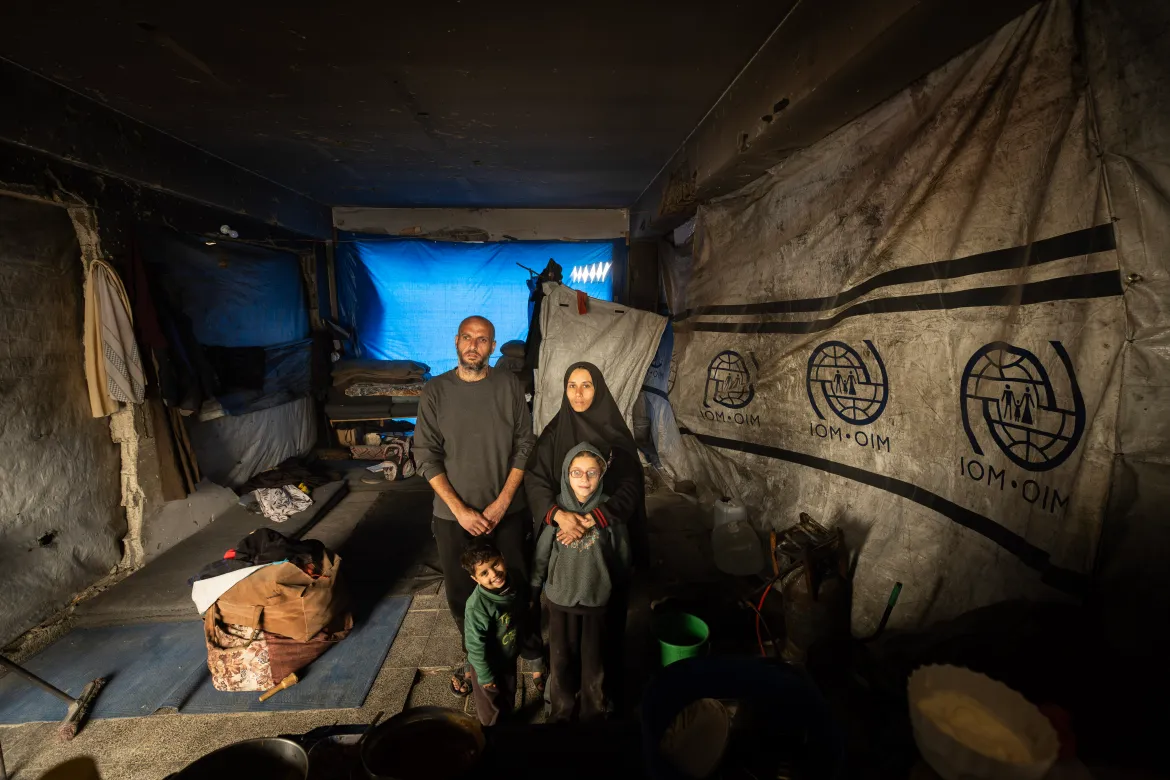
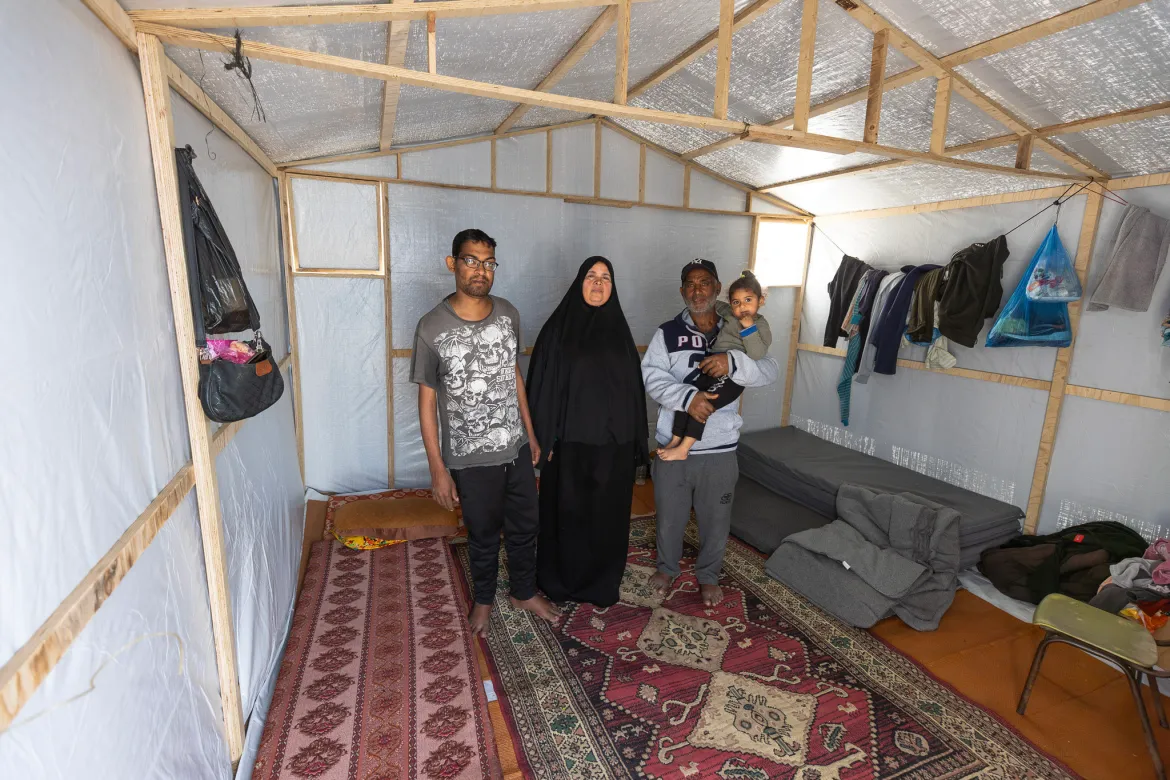
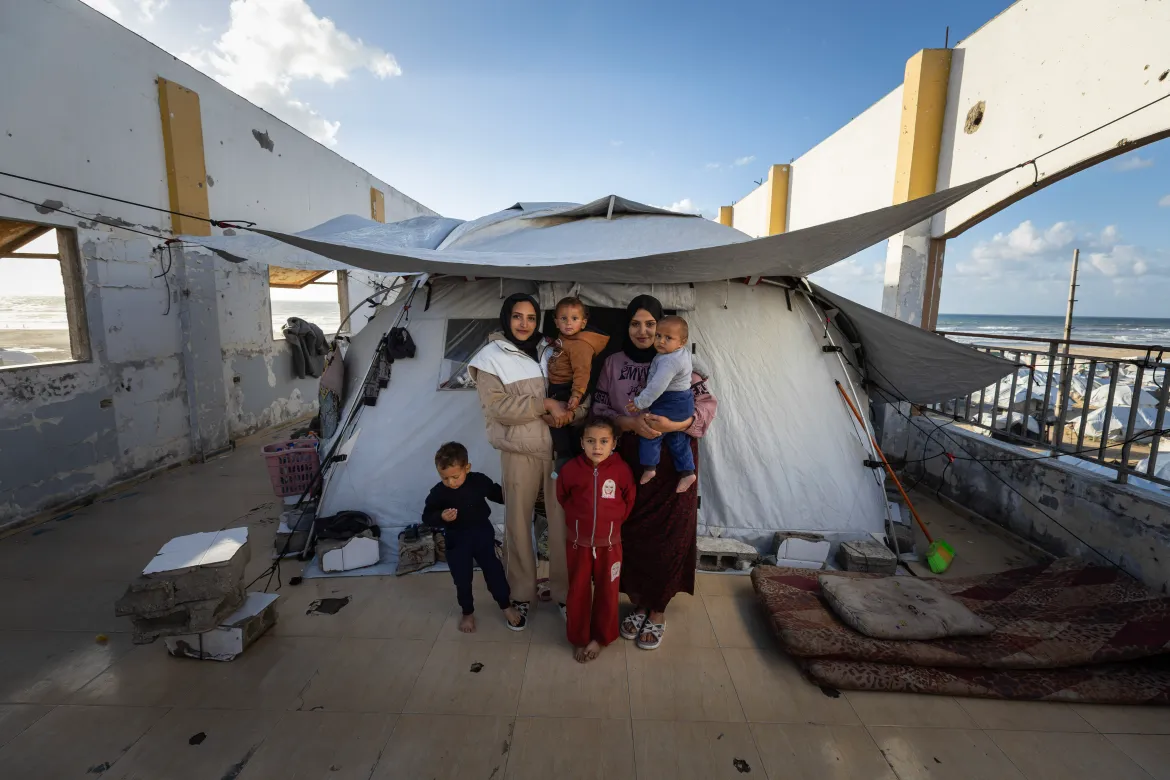
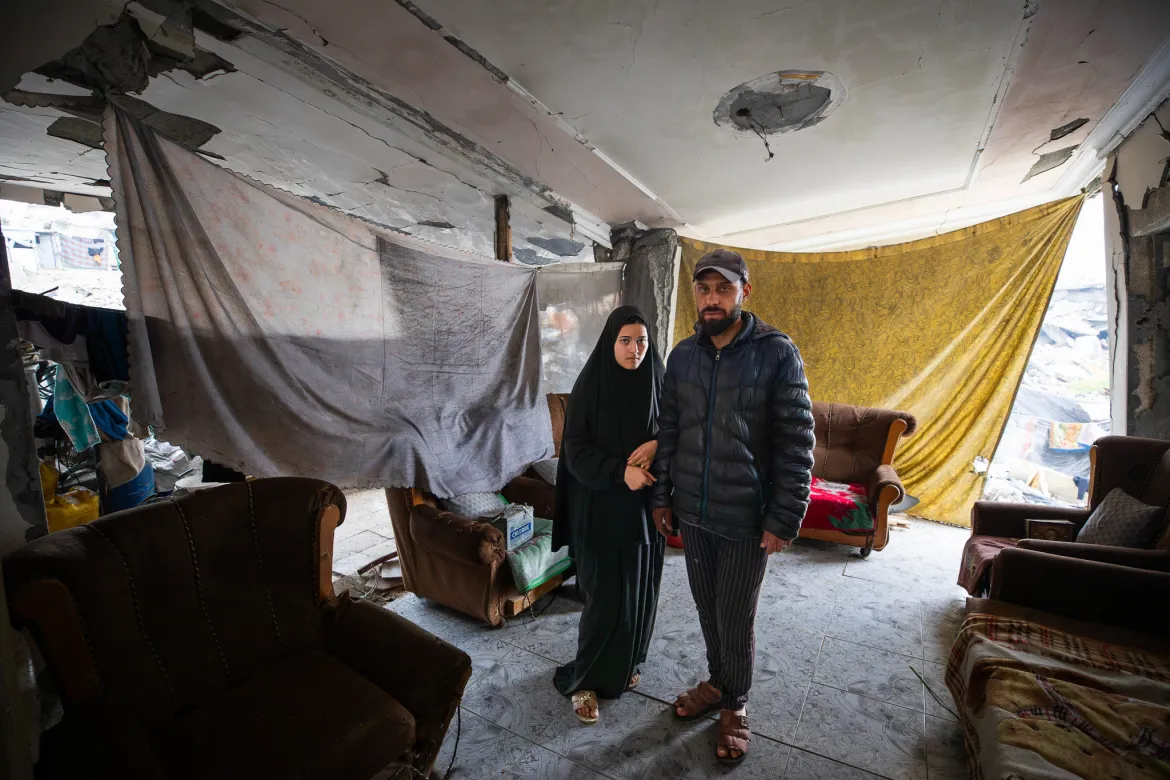
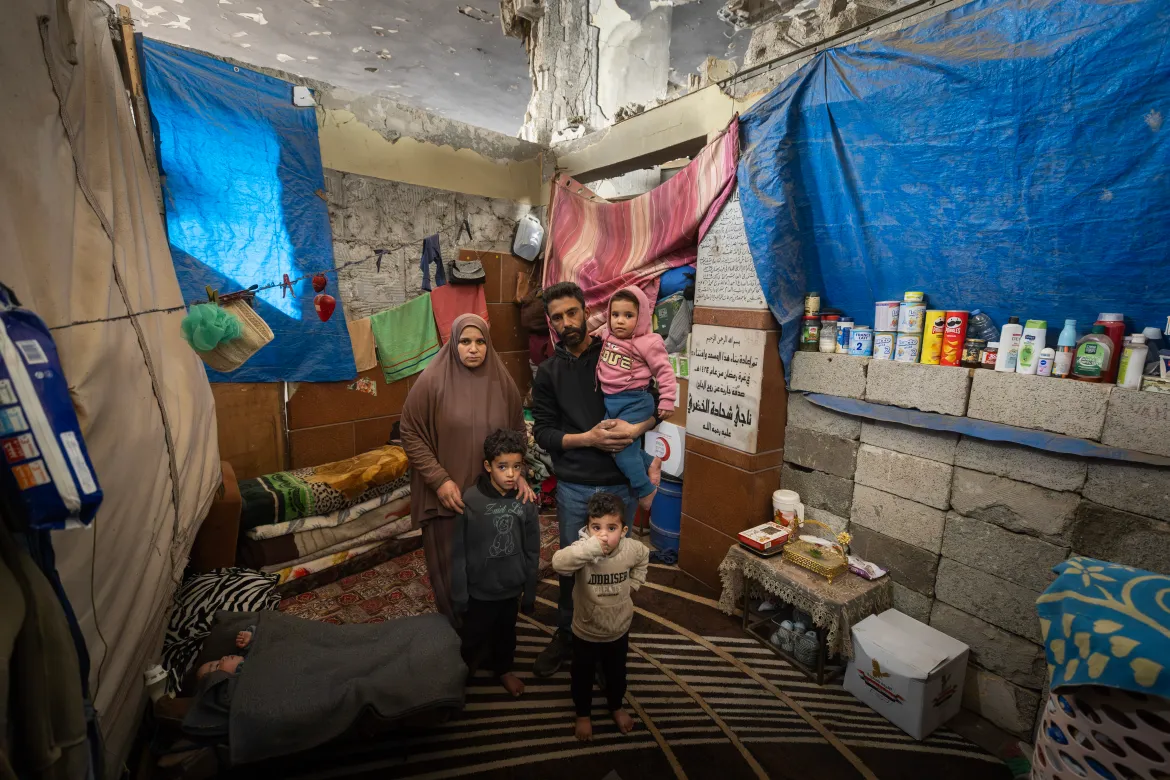
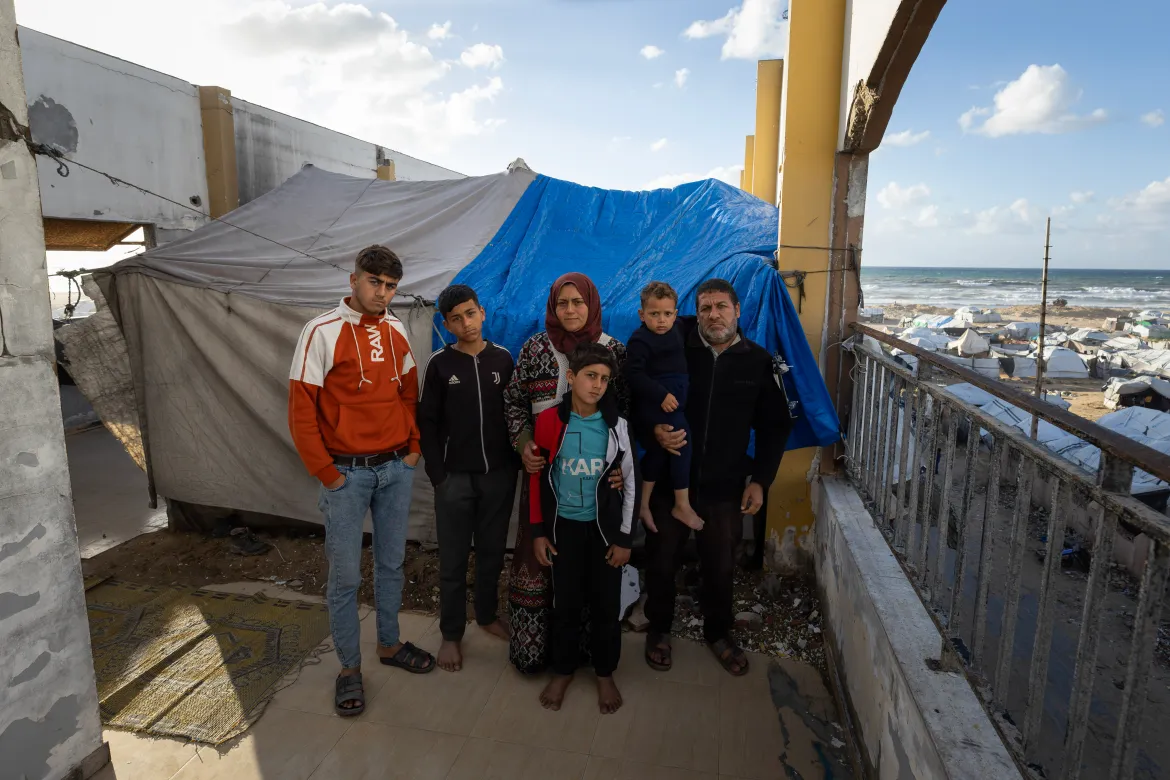
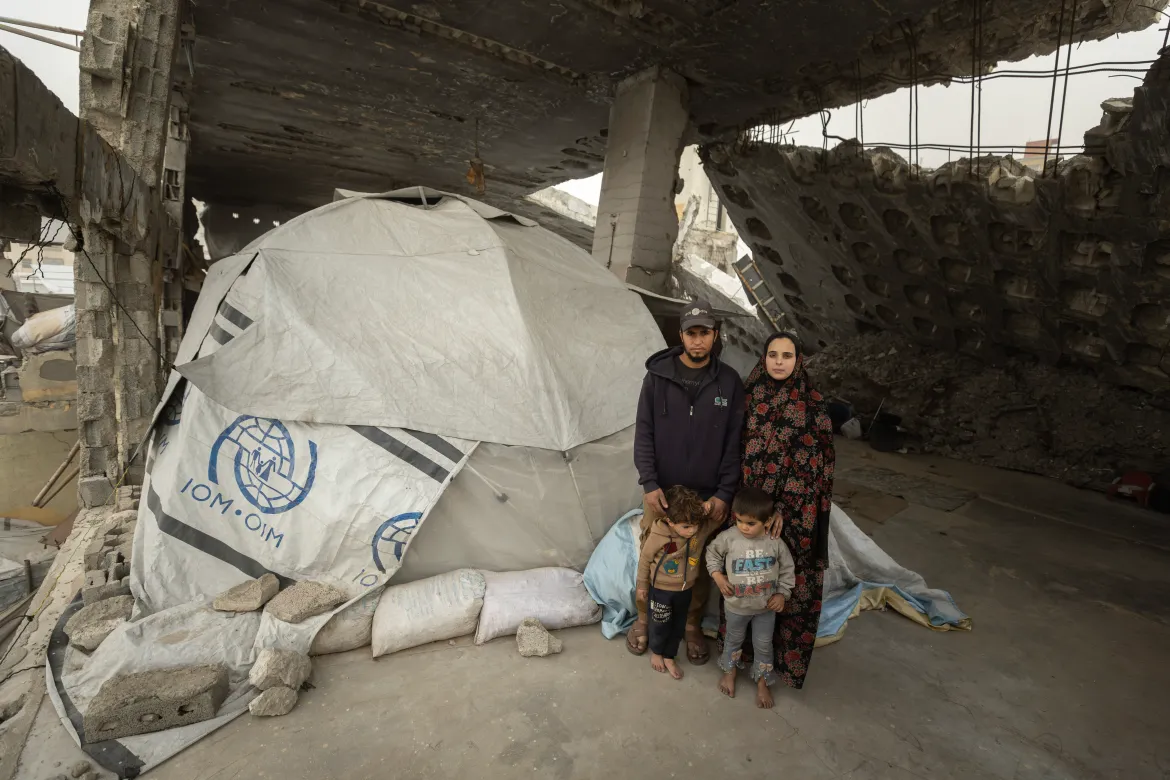
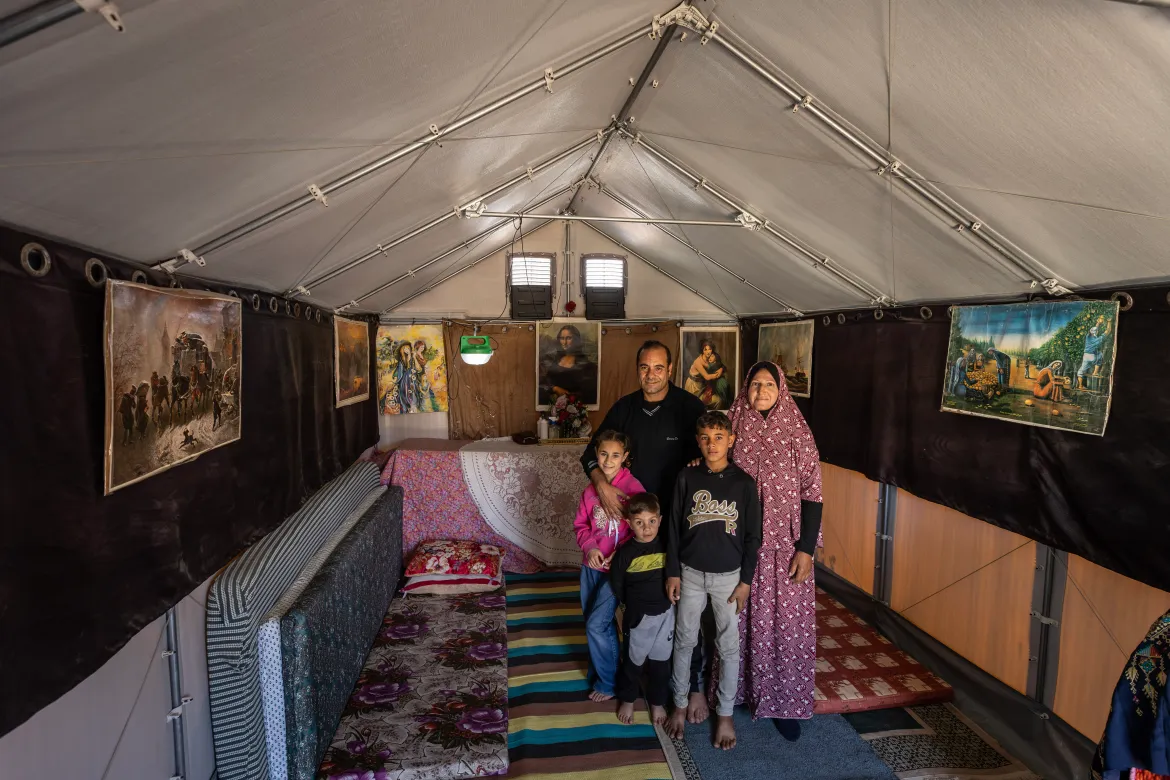
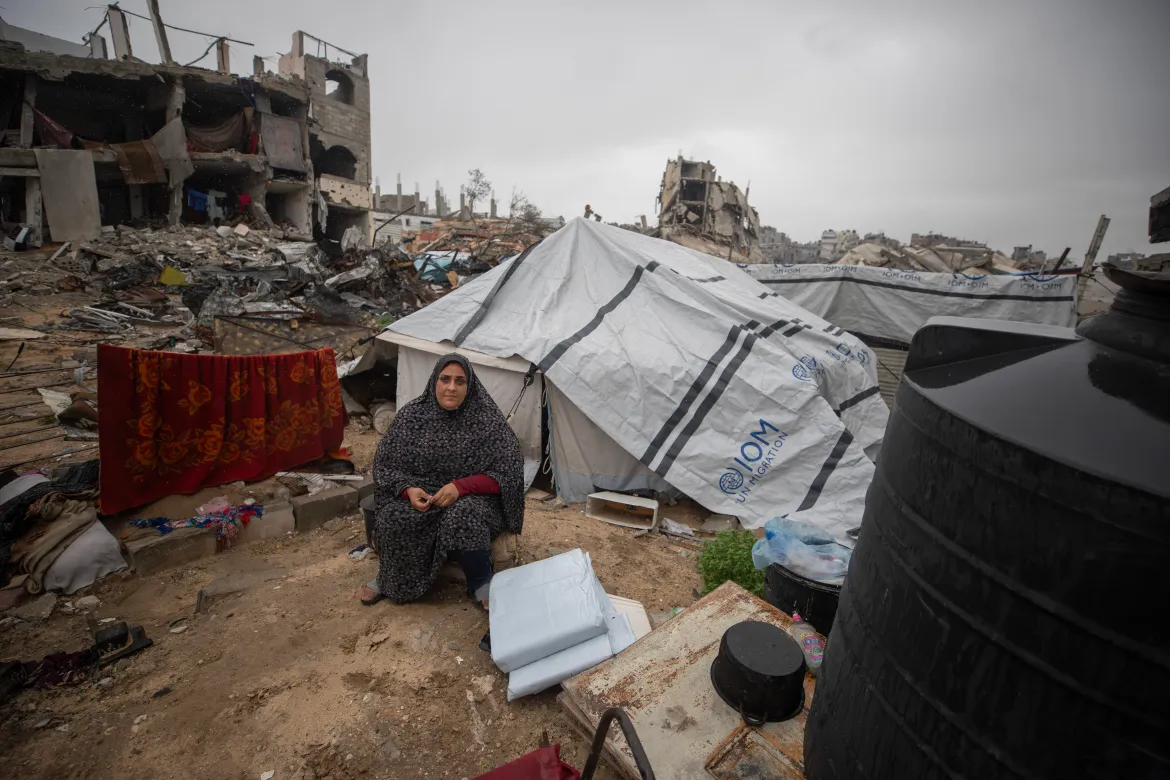
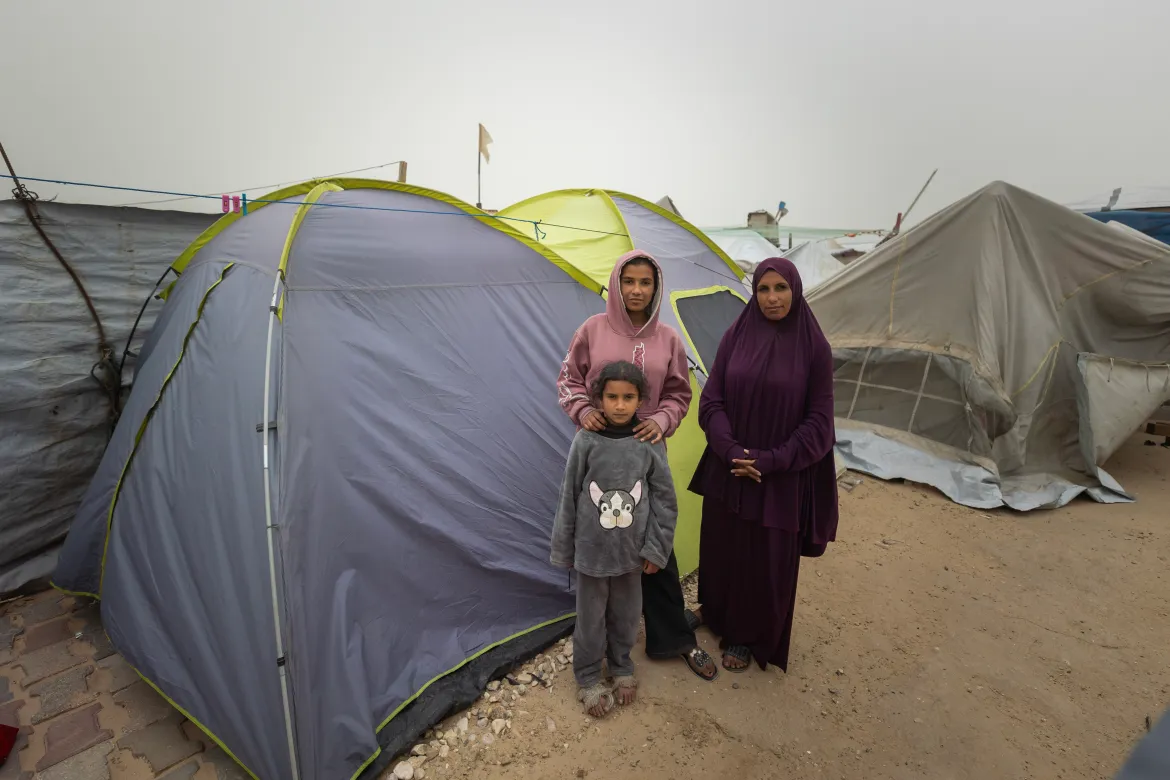
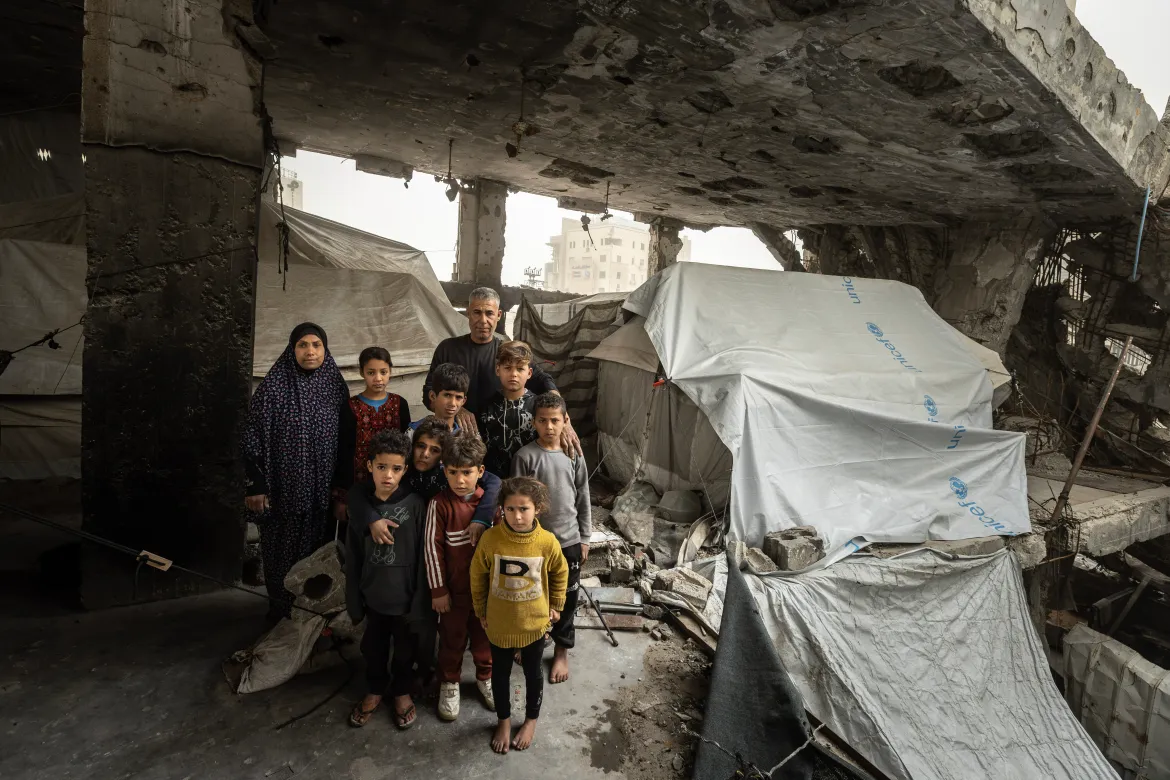
Photographs and accounts from Al Jazeera’s shelter crisis gallery, published 23 July 2026. The captions describe the families’ circumstances as reported at that time.
Continue to the October 2023 photographs ↓These earlier photographs record the damage in October 2023: homes torn open, streets buried in rubble and residents walking through devastated neighbourhoods.
Archive photographs from October 2023, published by Al Jazeera on 12 October 2023.
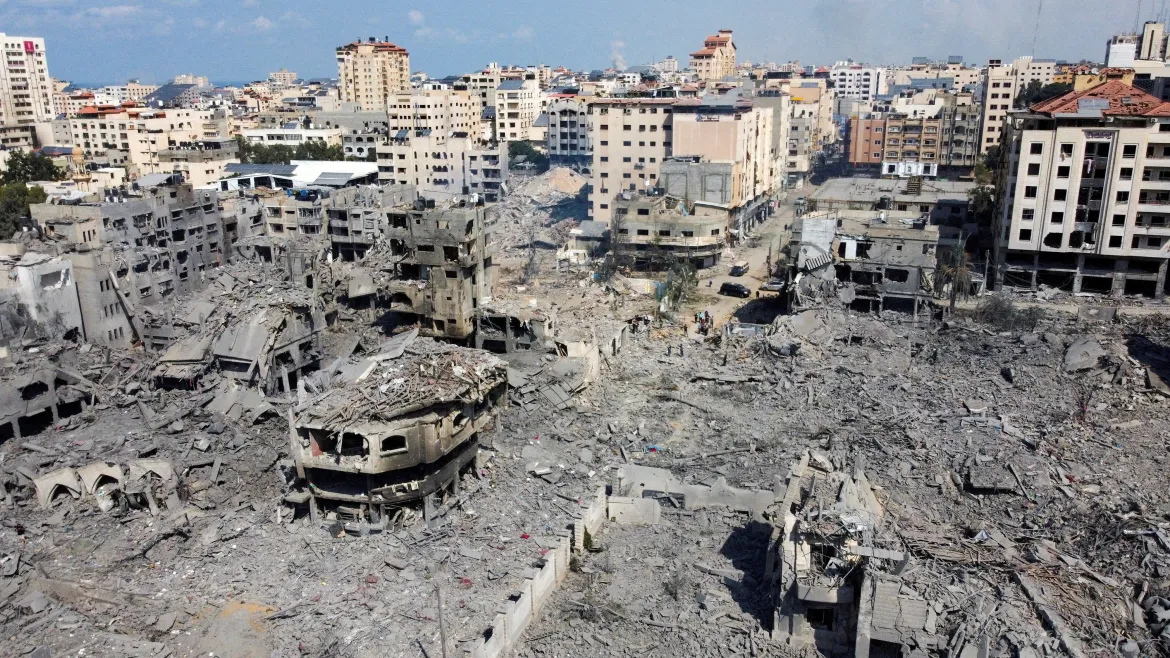
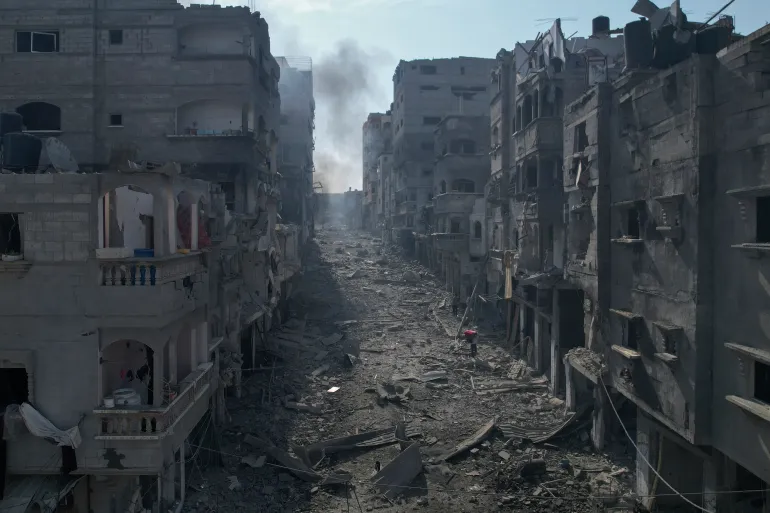
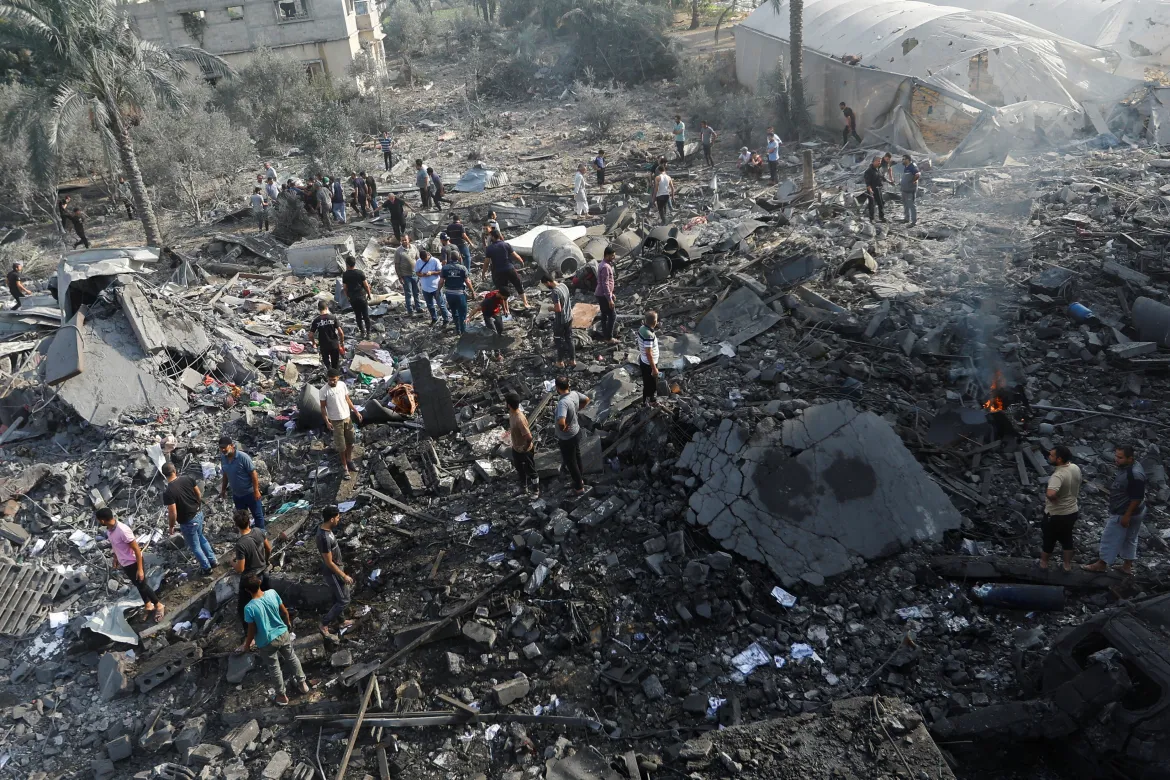
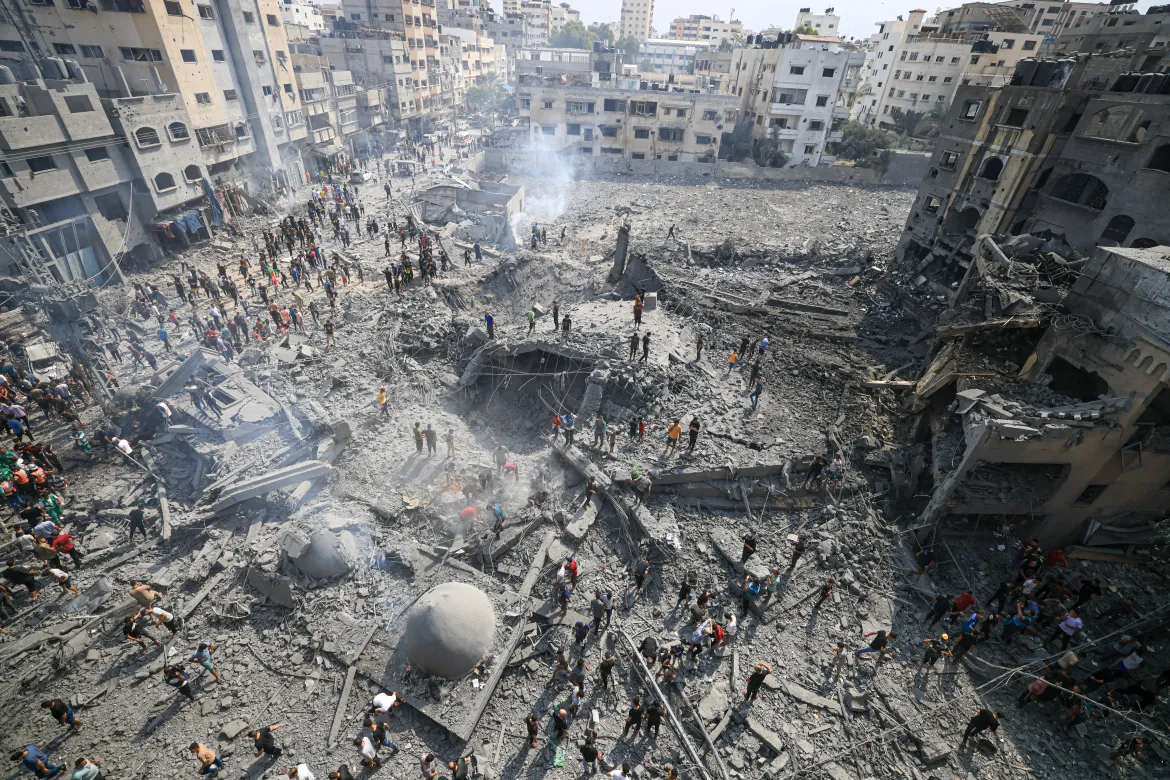
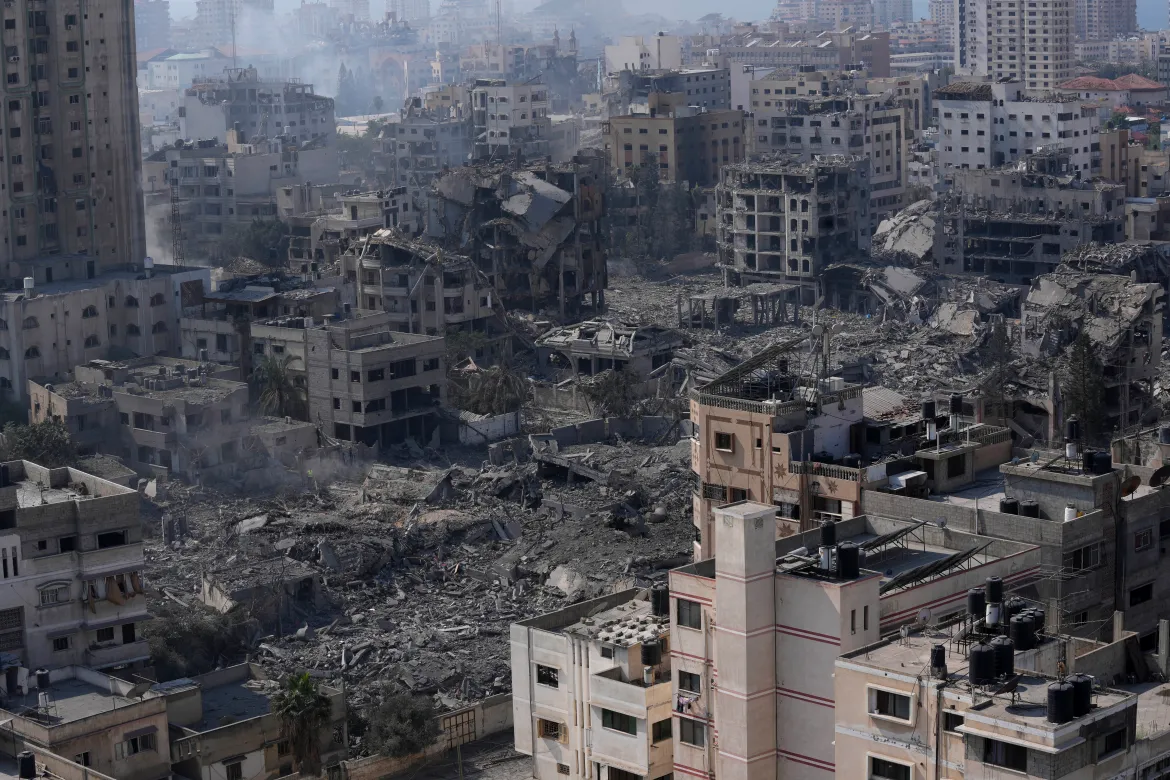
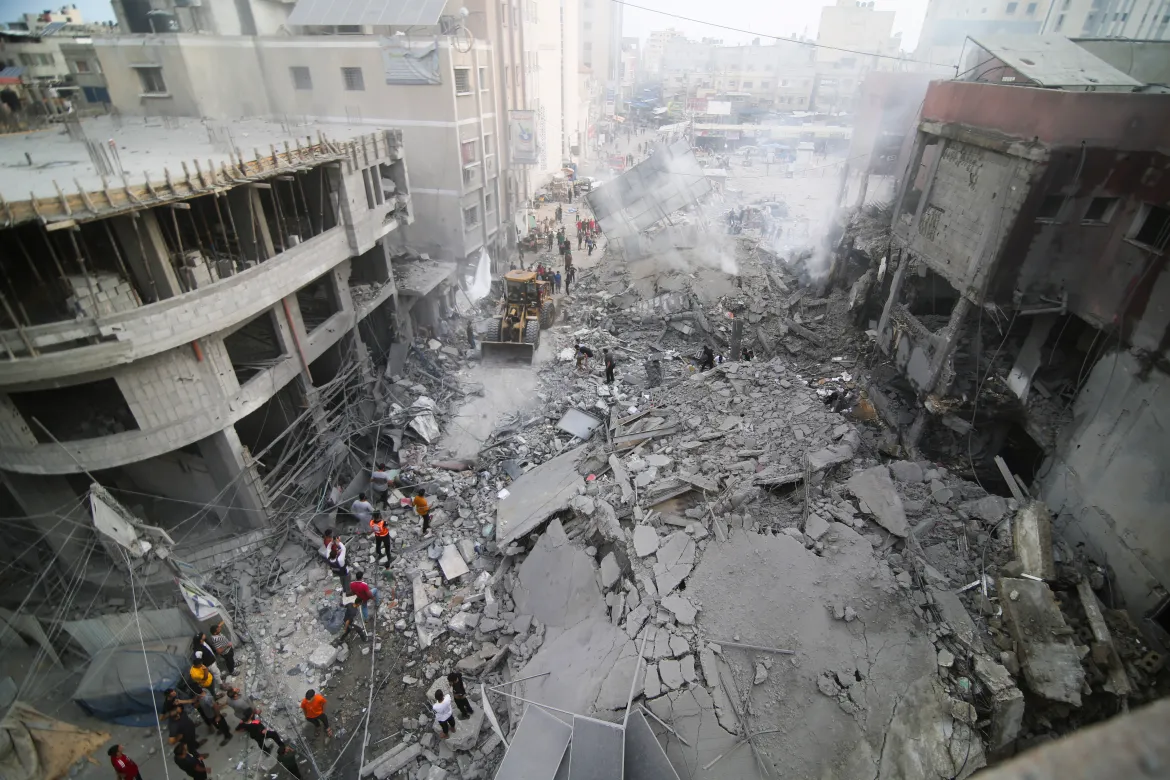
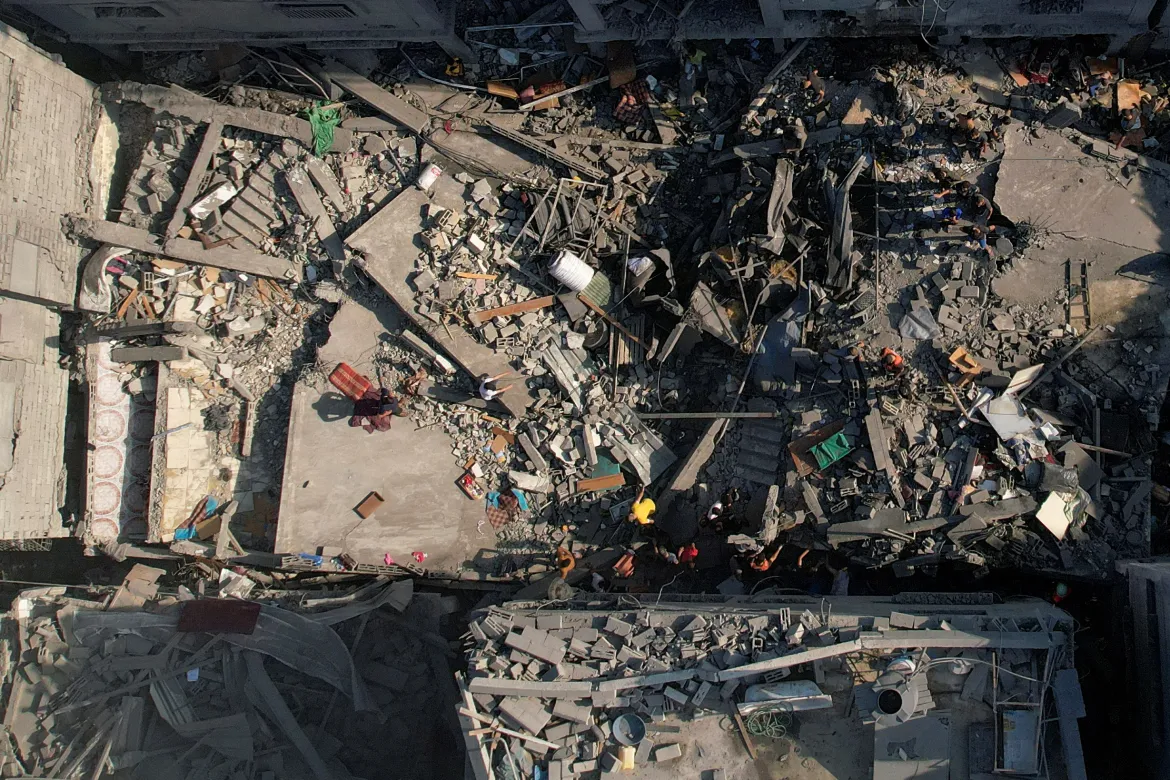
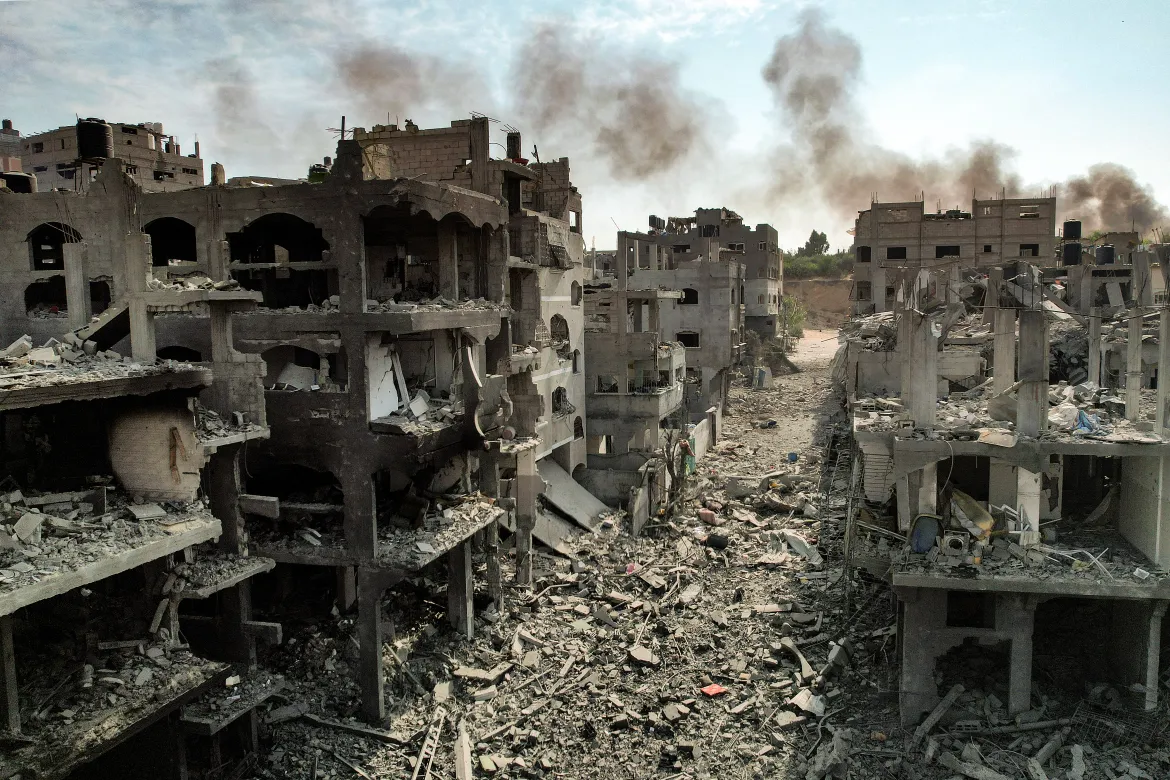
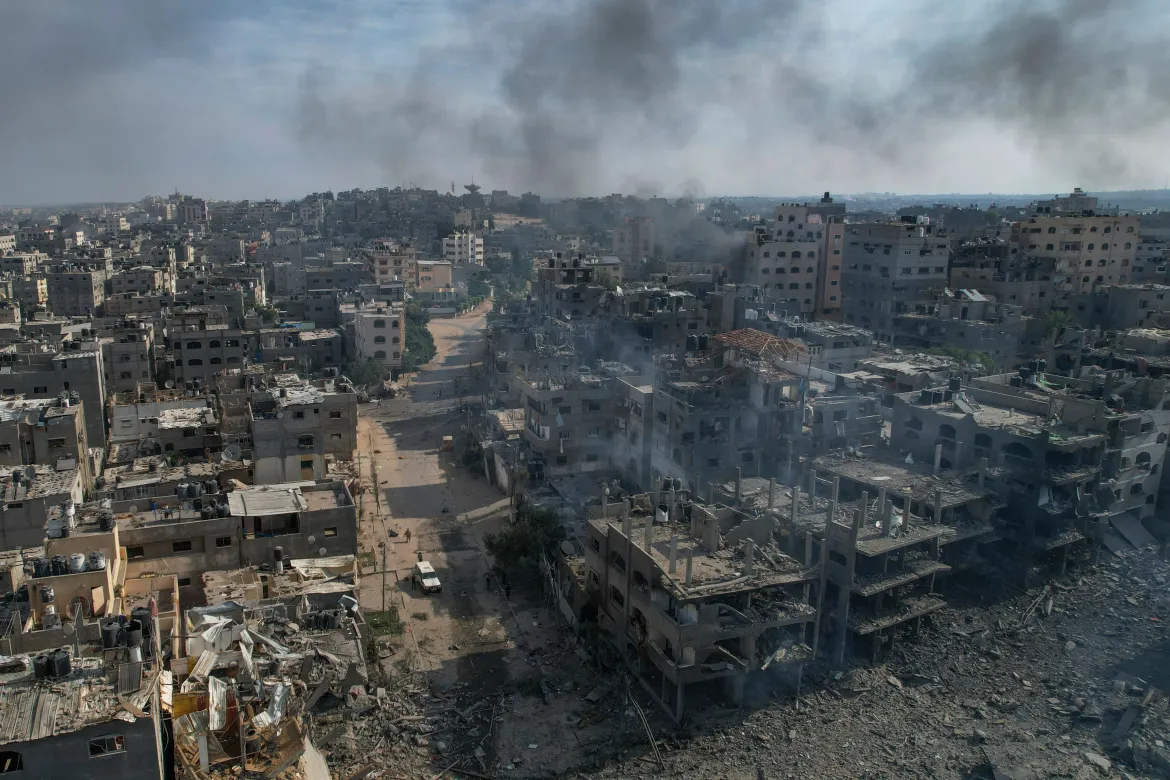
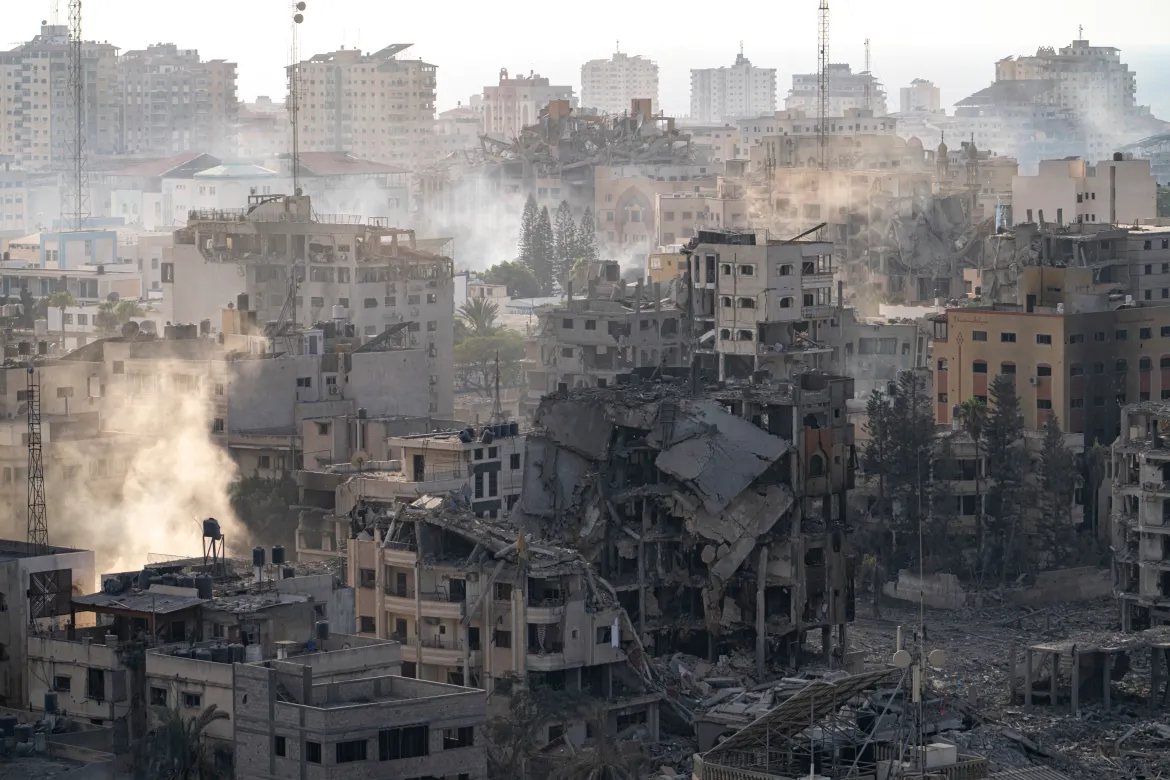
Photo source: Al Jazeera’s gallery published on 12 October 2023. Photographer and agency credits accompany each image.
Write a personal letter, share a source or support humanitarian relief.
Choose an action ↗